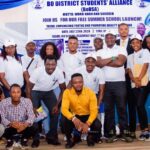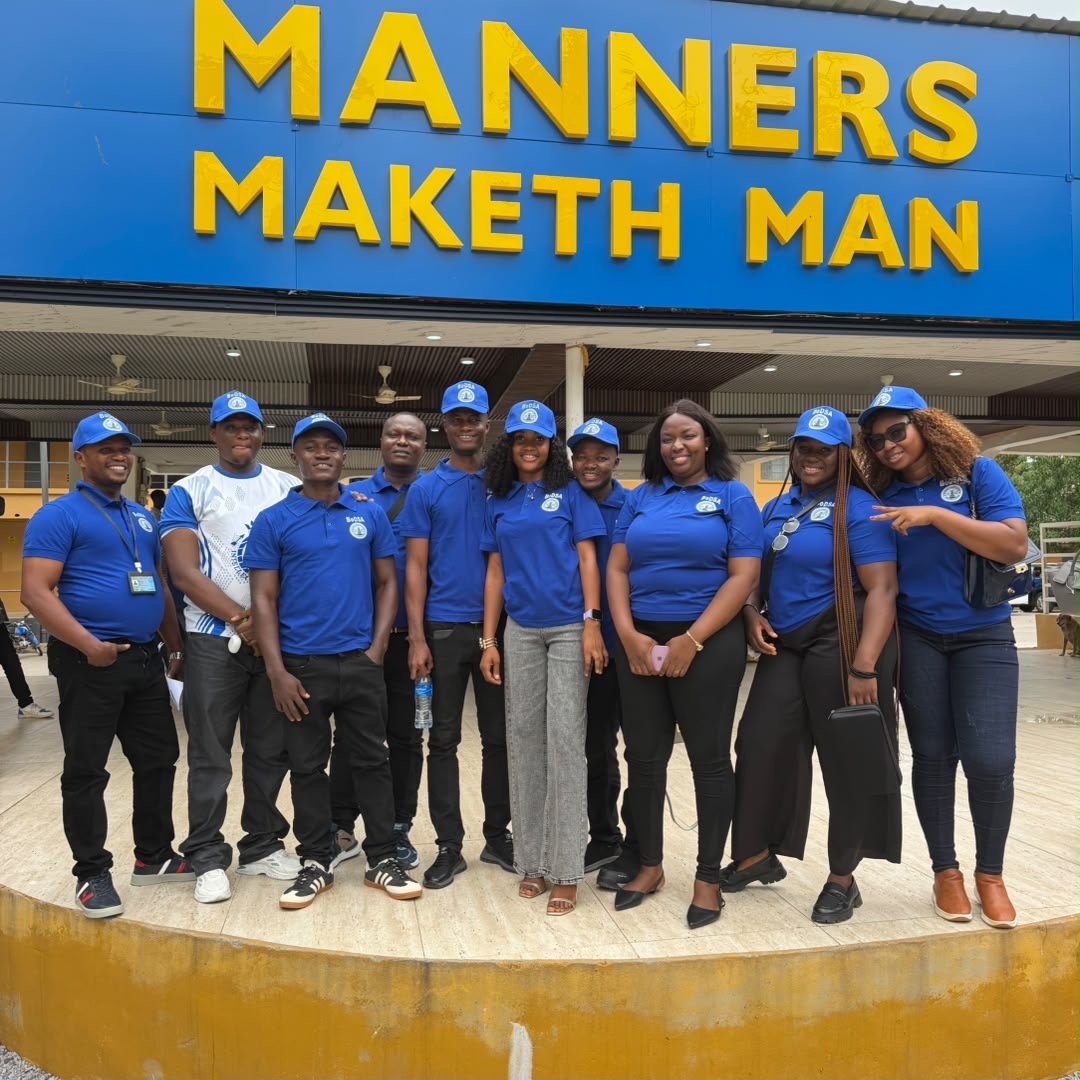
Yesterday, 29th August 2026, the Bo District Students’ Alliance (BoDSA) successfully brought the 2026 Free Summer School Programme to a memorable conclusion.
The closing ceremony brought together a diverse gathering of dignitaries, government officials, representatives of Non-Governmental Organisations (NGOs), Civil Society Organisations (CSOs), parents, teachers, students, stakeholders, and well-wishers. At exactly 9:00 a.m., participants assembled at UCC School, Bo, to celebrate the completion of a programme that had, over the preceding weeks, provided students with an opportunity to learn, interact, grow, and prepare themselves academically for the challenges ahead.
The ceremony commenced with an opening prayer, placing the event in an atmosphere of gratitude and reflection.
This was followed by a welcome address delivered by the Public Relations Officer, Ms Samuelka Koroma, who warmly received guests and expressed appreciation for their presence and continued support for the work of BoDSA.
The Chief of Staff, Mr. John Mbatilo Gormoh, subsequently provided a brief background of the Bo District Students’ Alliance, highlighting the organisation’s journey, achievements, and continued commitment to promoting educational development and youth empowerment within Bo District.
The Programme Coordinator, Mr. Vandy Kowa Sitta, then presented an overview of the 2026 Free Summer School Programme. His presentation reflected on the activities undertaken during the programme, the participation of students and teachers, and the collective effort that made the initiative possible.
The National President of BoDSA, Mr. Tamba Saffa Ngayenga, also delivered brief remarks, expressing gratitude to teachers, students, parents, partners, and supporters whose contributions helped make the programme a success.
Following the National President’s remarks, Organising Secretary Isha Kamara took the stage to present and recognise the teaching staff, principals, and Centre Coordinators. She acknowledged the individuals whose dedication and coordination contributed significantly to the successful implementation of the programme across the three centres. Their recognition served as a fitting tribute to the people who worked behind the scenes and in the classrooms to turn the BoDSA educational vision into a practical reality. The ceremony was chaired by Mrs. Namisa Kramer (née Koroma), Director of Human Capital Development at the Presidential Delivery Unit, Office of the President, State House.
As the programme progressed to its keynote segment, the Vice President, Fanny George, was called upon to introduce the keynote speaker, Hon. Ibrahim Tawa Conteh, Deputy Speaker of Parliament. In her introduction, she formally presented the distinguished guest to the gathering, paving the way for what became one of the most thought-provoking and inspiring moments of the ceremony.
Hon. Ibrahim Tawa Conteh subsequently delivered the keynote address, and his words of encouragement were both powerful and deeply inspiring.
In his address, Hon. Conteh encouraged young people to rethink the narrow definition of success that often dominates society. He questioned why many young people aspire almost exclusively to become lawyers, doctors, politicians, and holders of prestigious offices, while occupations such as farming, teaching, carpentry, mechanics, and other practical professions are increasingly overlooked.
His message was clear: a society cannot develop if everyone wants to occupy the office while no one is willing to build the office.
He reminded the students that every profession has dignity and that national development requires people with different abilities, occupations, and skills working together.
Drawing from his own humble background, he emphasised that one’s beginning does not have to determine one’s destination. His personal story served as an encouragement to students that difficult circumstances should not be interpreted as permanent limitations.
Hon. Conteh also recommended that greater emphasis be placed on skills development, arguing that formal academic education should be complemented by practical knowledge and vocational competence. In his view, young people should not only be educated to seek employment but should also be equipped with skills that enable them to create opportunities for themselves and others.
He further suggested that the name “Summer School” could be reconsidered in favour of a term that better reflects Sierra Leonean culture and local realities, noting that the expression has its roots in contexts outside the country.
His intervention provoked an important reflection: education should not merely teach people how to earn certificates; it should teach them how to think, create, serve, and contribute meaningfully to society.
Following the keynote address, parents were also given the opportunity to take the stage, where they expressed heartfelt appreciation to BoDSA for organising the Free Summer School Programme and for investing time, resources, and energy in the education of their children.
A three-minute statement was subsequently delivered by Hon. Paran Tarawally, Secretary General of the Sierra Leone People’s Party (SLPP). His remarks added further encouragement to the students and recognised the importance of educational initiatives that support young people.
One of the most engaging moments of the ceremony was an educational drama performed by the students. The play centred on the importance and impact of the BoDSA Free Summer School Programme and demonstrated, in a creative and entertaining manner, how access to learning opportunities can positively influence young people.
The drama reminded the audience that sometimes a lesson taught through performance can remain in the mind longer than a lesson merely written on a chalkboard.
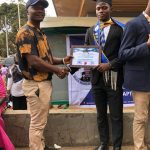
The ceremony then proceeded to the presentation of awards and recognition to pupils who had distinguished themselves in various subjects throughout the Free Summer School Programme. These students were honoured for their academic performance, dedication, discipline, and commitment to learning.
The recognition was not merely a reward for achievement; it was also an encouragement to every student present that effort deserves acknowledgement and excellence deserves celebration.
The programme eventually came to a joyful conclusion, with participants expressing gratitude to God for the peaceful and successful completion of the initiative.
As the curtains closed on the BoDSA Free Summer School Programme 2026, one message remained unmistakably clear: education is not simply about what happens between a teacher and a blackboard. It is about building minds, developing skills, inspiring confidence, creating opportunities, and preparing young people to become useful members of society.
The programme may have ended, but the knowledge acquired, the confidence developed, the friendships formed, and the lessons learned will live on beyond the closing ceremony.
A programme may have a closing date, but the impact of education has no expiry date.